 Wildlife control is often misunderstood as just trapping and removing animals, but that’s not the whole story. Many believe all methods are harmful, but professionals use humane techniques that promote coexistence. Relocation isn’t always safe for animals,...
 DIY wildlife control can lead to serious risks. Misinterpreting animal behavior may cause harm to both wildlife and humans. Additionally, there’s a health hazard from potential zoonotic diseases. Legal regulations often require permits, which many DIYers...
 Wildlife in Texas is a serious threat as carriers of rabies. Species like bats and foxes often transmit this virus to humans and pets. Infected animals may show signs of aggression or unusual calmness. Encounters with these animals can lead to bites, increasing the...
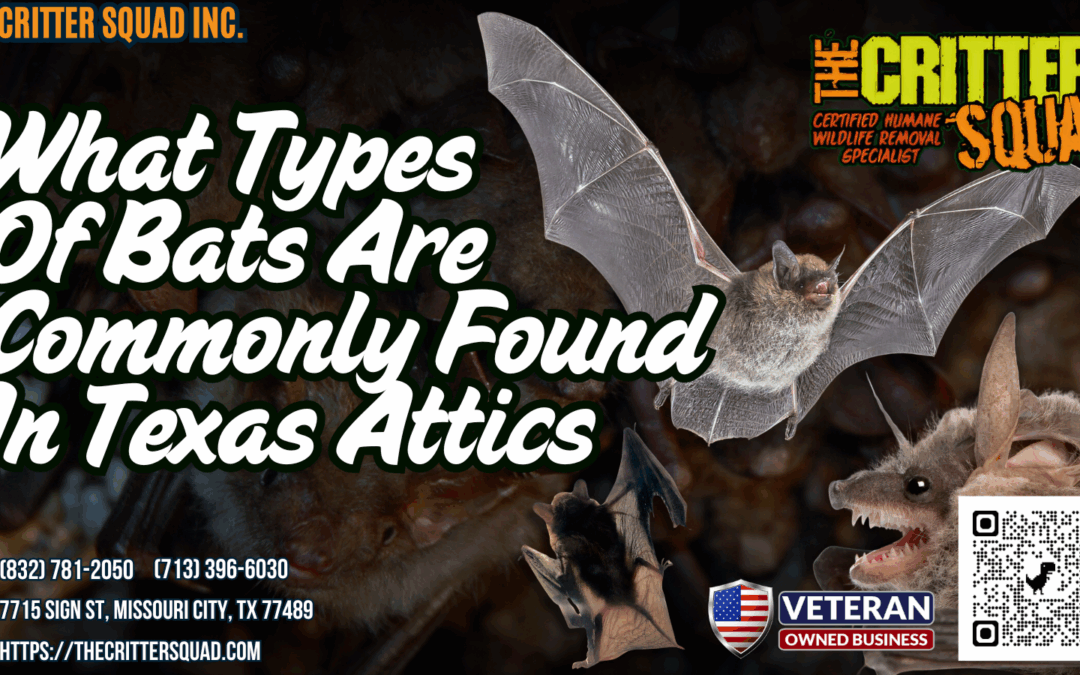 Common bat species found in Texas attics include Mexican Free-Tailed Bats, Big Brown Bats, and Little Brown Bats. Mexican Free-Tailed Bats prefer warm spots and form large colonies. Big Brown Bats roost in attics and consume various insects. Little Brown Bats are...
Urban wildlife management in Texas faces many challenges. Habitat loss and fragmentation make it hard for animals to survive. Human activities often lead to conflicts, as wildlife search for food and shelter in urban areas. This can cause damage and safety issues....
Facts About Honey Bees What Is Attracting Honey Bees To My Property? Bees will seek out food and resources wherever they can. When they return to the hive with these resources, they inform other forager bees where they can find them. They will return until they...
Common bat species found in Texas attics include Mexican Free-Tailed Bats, Big Brown Bats, and Little Brown Bats. Mexican Free-Tailed Bats prefer warm spots and form large colonies. Big Brown Bats roost in attics and consume various insects. Little Brown Bats are...
Urban wildlife management in Texas faces many challenges. Habitat loss and fragmentation make it hard for animals to survive. Human activities often lead to conflicts, as wildlife search for food and shelter in urban areas. This can cause damage and safety issues....
Facts About Honey Bees What Is Attracting Honey Bees To My Property? Bees will seek out food and resources wherever they can. When they return to the hive with these resources, they inform other forager bees where they can find them. They will return until they...